Vietnam Travel Guide: Where to Go and When
Vietnam runs about 1,650 km from north to south, and the three regions have different seasons. The right trip depends on which region you visit and in which month. This guide sets out where to go, when each region is at its best, how many days each one needs, and where to go in November. It draws on the programs Dong Thi has operated from Ho Chi Minh City since 2008.
Where to go in Vietnam and when: the quick answer
| Region | Main places | Best months | Avoid or plan for | Days needed |
|---|---|---|---|---|
| North | Hanoi, Ha Long Bay, Ninh Binh, Sapa | Autumn (September – November) and spring | December – February is cold; Sapa can drop below 5°C | 4 days without Sapa, 6 days with Sapa |
| Central | Da Nang, Hoi An, Hue | February – August | October – November: rain and storms, Hoi An often floods | 4 days for Da Nang – Hoi An; add a day for Hue |
| South | Ho Chi Minh City, Mekong Delta, Phu Quoc | November – April (dry season) | May – October: short tropical showers; island boat trips can be postponed in rough seas | 2 days for Mekong from Ho Chi Minh City; 3–4 days for Phu Quoc |
A first trip covering all three regions usually needs 10 days or more. Dong Thi designs private north-to-south journeys of 10 to 21 days.
Northern Vietnam: Hanoi, Ha Long Bay, Ninh Binh, Sapa
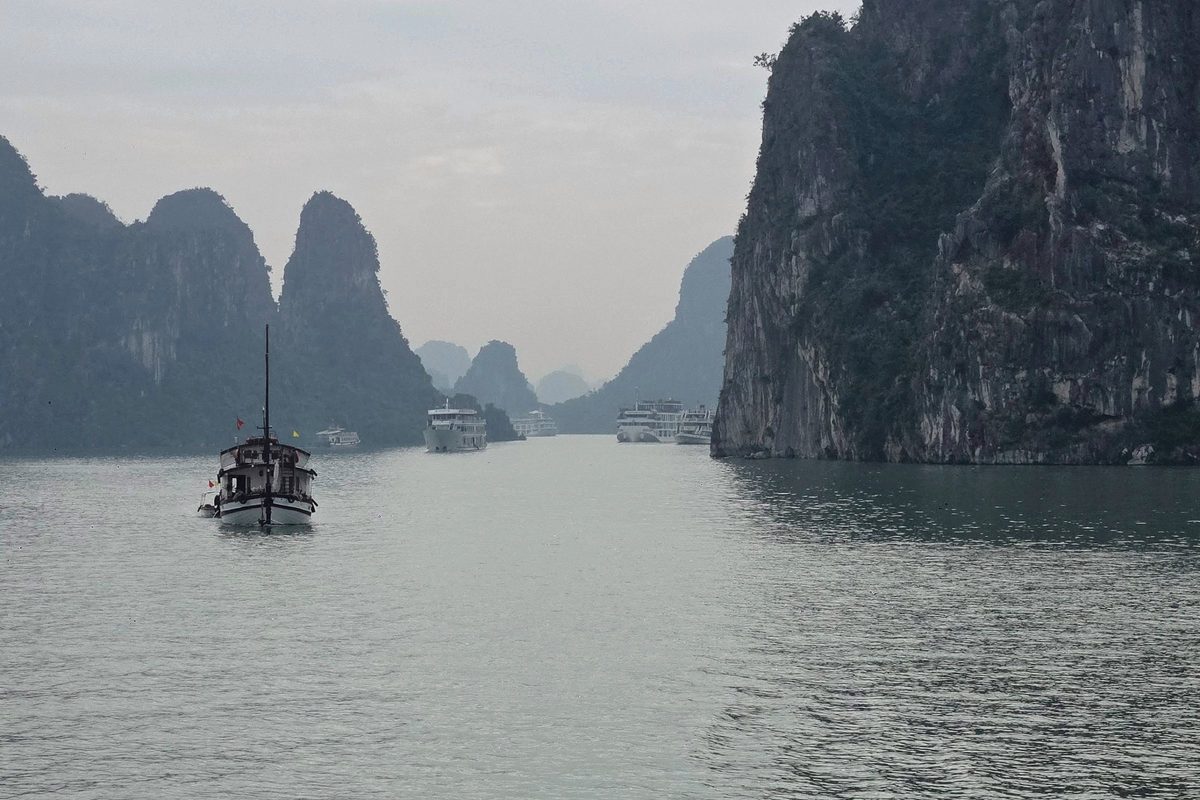
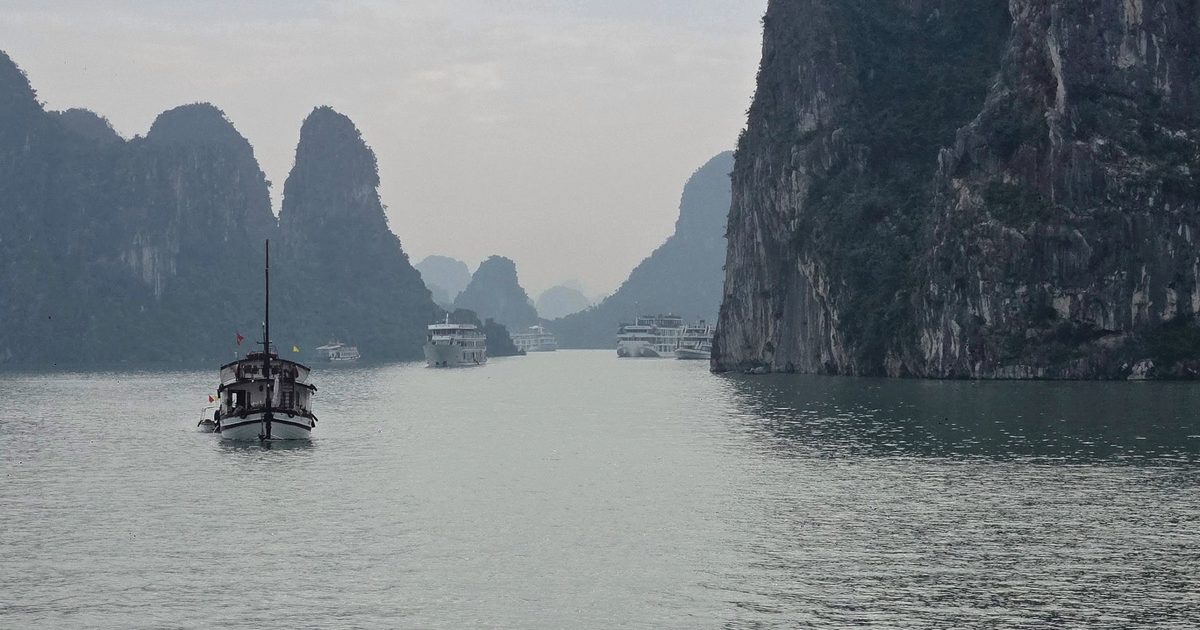
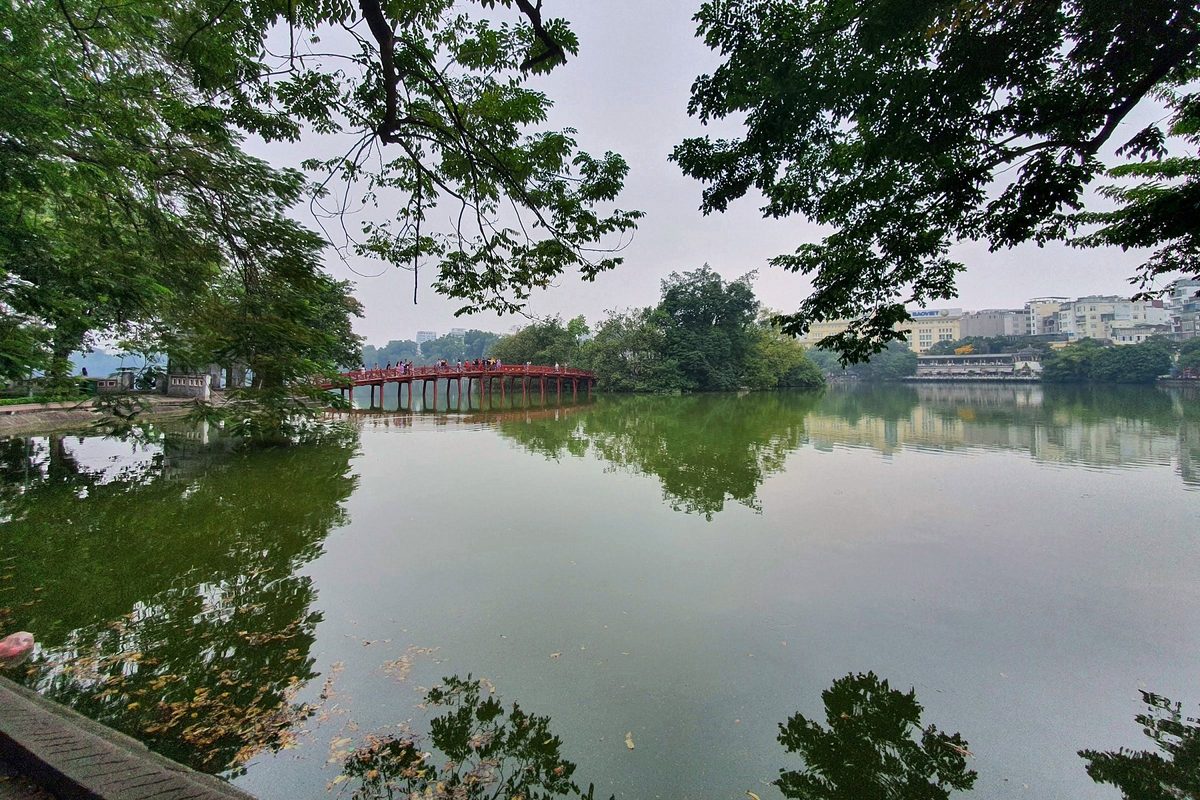
Hanoi is the capital and the usual starting point: the Old Quarter, Hoan Kiem Lake and the city's street food. Ha Long Bay is best seen from a cruise with one night on board, among limestone islands, kayaking routes and caves. Ninh Binh (Trang An, Hoa Lu, Hang Mua) offers karst scenery by rowing boat, an easy day from Hanoi. Sapa is the mountain town for Fansipan and the hill villages such as Cat Cat.
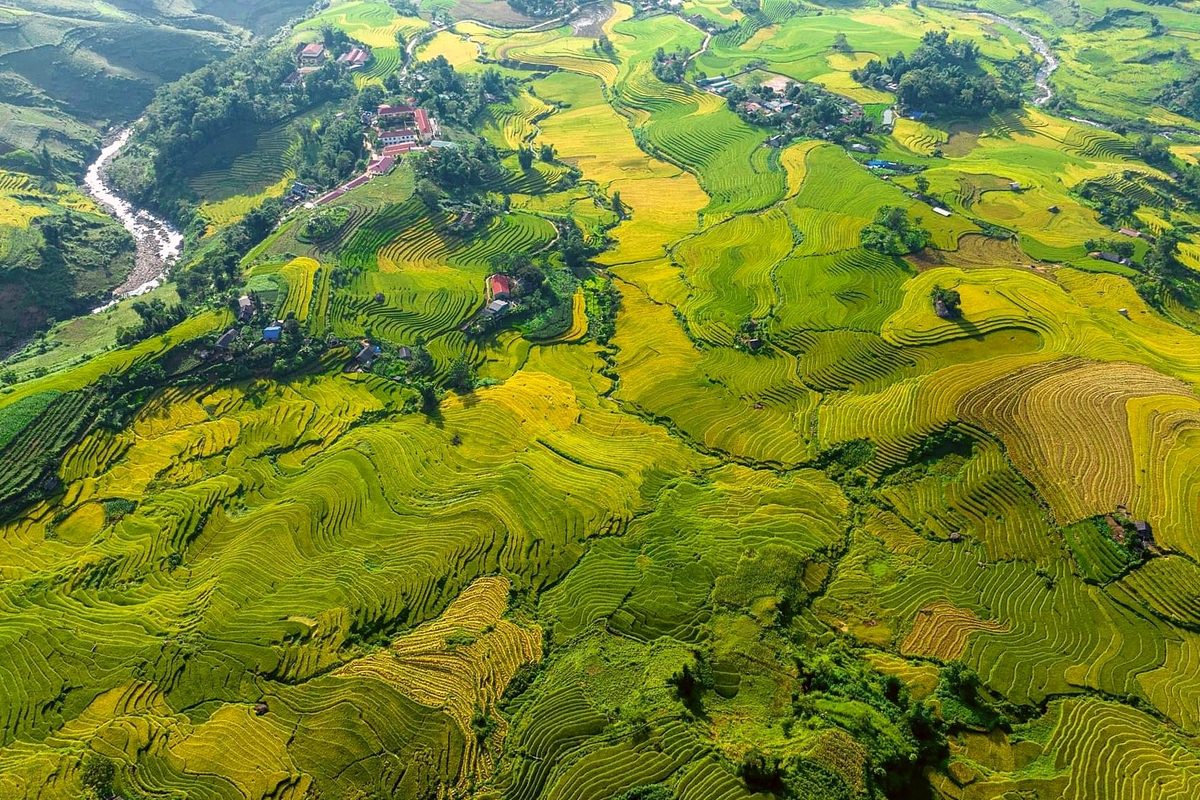
When: autumn and spring are the most comfortable. December to February is cold in the north, and the mountains around Sapa and Ha Giang can fall below 5°C, so warm clothing is needed. How long: six days covers Hanoi, Sapa – Fansipan, Ninh Binh and one night on Ha Long Bay. Without Sapa, four days for Hanoi – Ninh Binh – Ha Long works well.
Central Vietnam: Da Nang, Hoi An, Hue
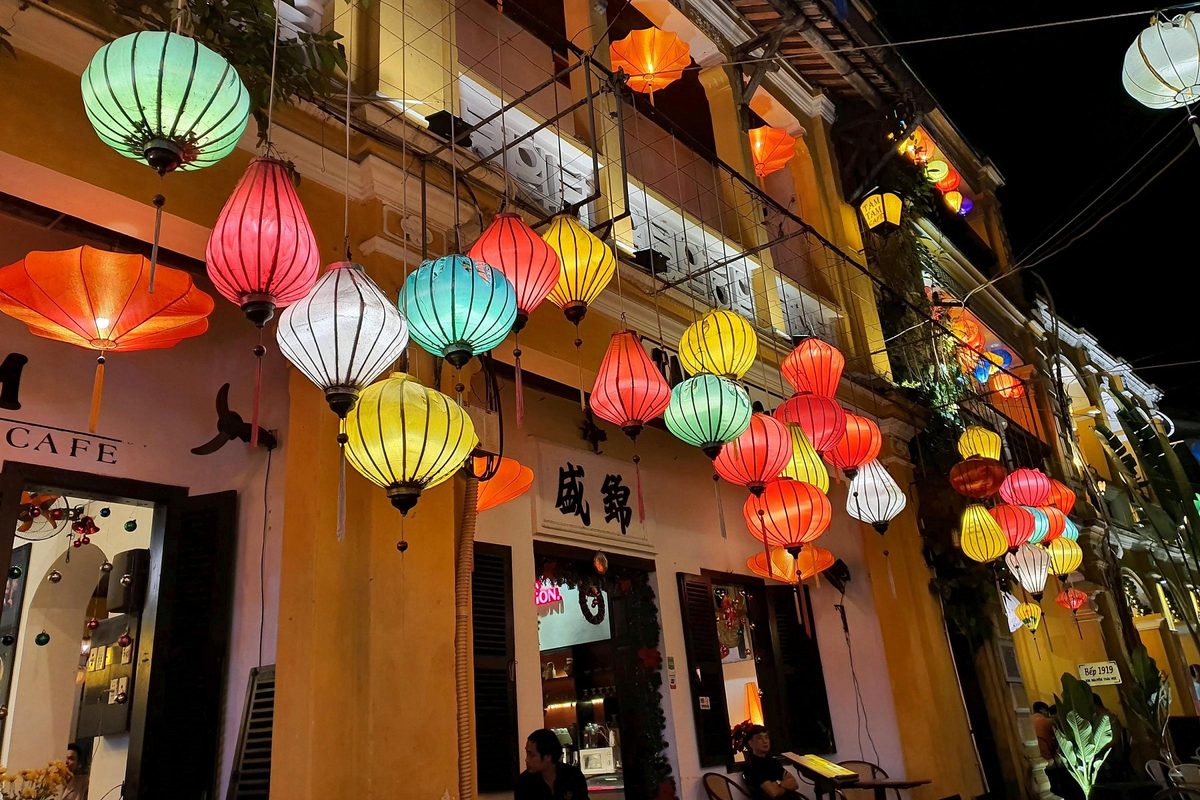
Da Nang has My Khe beach, the Son Tra peninsula, the Dragon Bridge and Ba Na Hills with the Golden Bridge. Hoi An, about 30 km away, is an old trading town listed by UNESCO in 1999, with lantern boats on the Hoai River and basket boats in the Bay Mau coconut forest. Hue, the former imperial capital, adds the Citadel, Thien Mu Pagoda and the royal tombs. Da Nang is about 1 hour 15 minutes by air from Ho Chi Minh City.
When: February to April is dry and mild, the best time for sightseeing. May to August is hot, with calm seas. September to December is the rainy and storm season, heaviest in October and November, when the old town of Hoi An often floods. How long: four days is right for Da Nang – Hoi An; three days is possible but tight. Add a day for Hue.
Southern Vietnam: Ho Chi Minh City, Mekong Delta, Phu Quoc
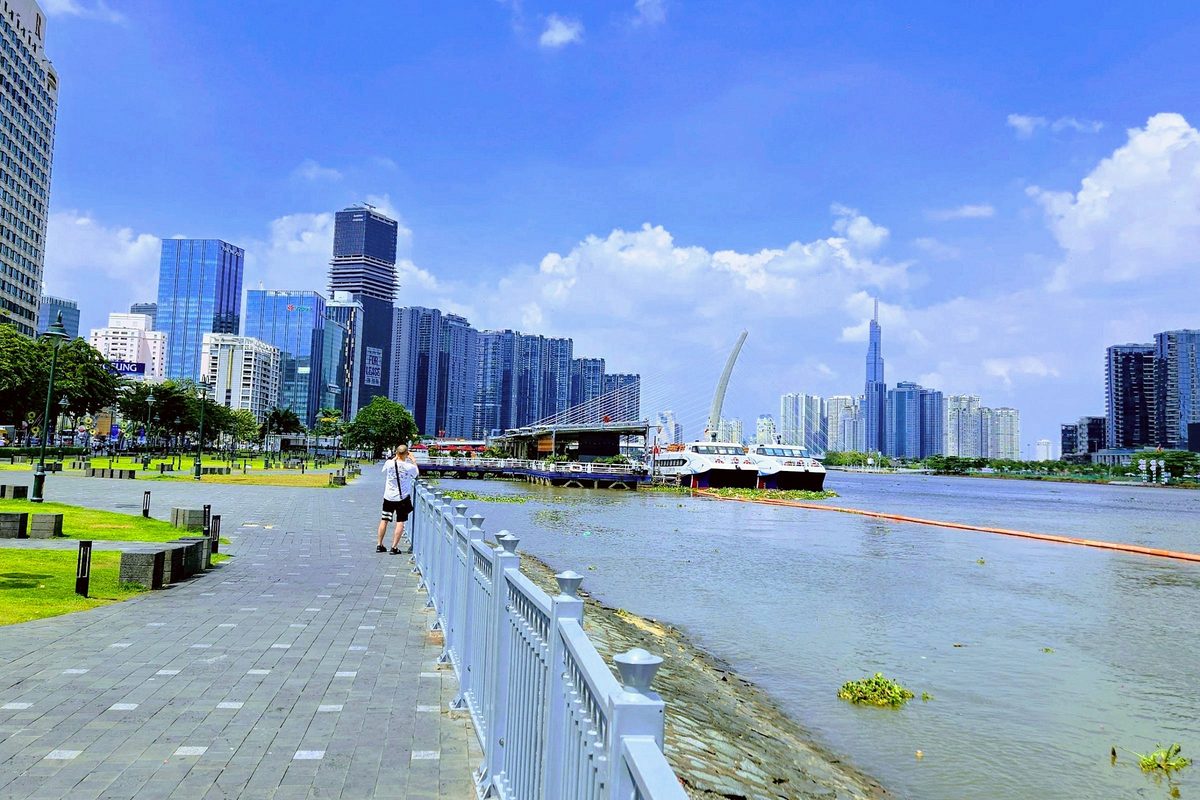
Ho Chi Minh City is the main gateway to the south. The Mekong Delta starts about 1.5 hours away by expressway: river boats on the Tien River, rowing boats through coconut canals, fruit gardens and the Cai Rang floating market at Can Tho, busiest from about 5 to 7 in the morning. Two days with one night in Can Tho is the usual format.

Phu Quoc, Vietnam's largest island, is about one hour by air from Ho Chi Minh City. The north of the island (Safari, VinWonders, Grand World) suits families; the south (the Hon Thom cable car, Sunset Town, island-hopping by boat) suits beach travelers. Three days covers the main sights; four days adds a three-island boat trip and a beach day.
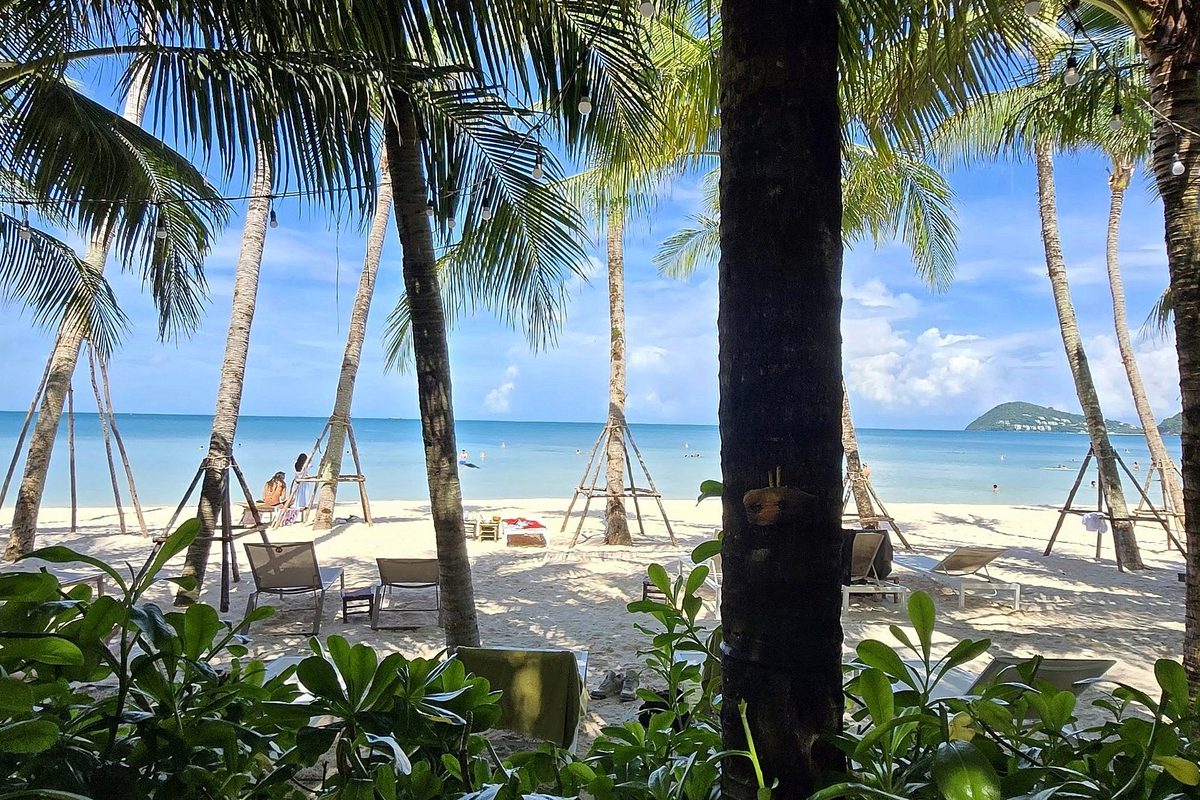
When: November to April is the dry season, with sun and calm, clear water around Phu Quoc. May to October brings rain, usually in short bursts; parks stay open, but boat trips in the south of Phu Quoc can be postponed when the sea is rough.
Where to go in Vietnam in November
November is a good month for the north and the south, and the weakest month for the centre.
- Go north: autumn weather, dry and cool, for Hanoi, Ninh Binh, a Ha Long Bay cruise and Sapa. Pack a warm layer for the mountains and for evenings on the bay.
- Go south: the dry season begins. Phu Quoc has sun and calm seas, and Ho Chi Minh City with the Mekong Delta is comfortable for touring.
- Plan carefully for the centre: October and November are the peak of the rain and storm season in Da Nang, Hoi An and Hue, and Hoi An's old town often floods. If central Vietnam must be on the route, keep a flexible day and avoid fixed boat or beach plans.
A November route that fits the weather: Hanoi – Ninh Binh – Ha Long Bay (4 days), then fly south to Ho Chi Minh City and the Mekong Delta (2 days), with Phu Quoc (3–4 days) as an option.
Frequently asked questions
What is the best time to visit Vietnam?
It depends on the region. The north is most comfortable in autumn and spring and cold from December to February. The centre is best from February to August; avoid October and November. The south is best in the dry season, November to April.
Where should I go in Vietnam in November?
The north (Hanoi, Ninh Binh, Ha Long Bay, Sapa) and the south (Ho Chi Minh City, the Mekong Delta, Phu Quoc). Central Vietnam is in its rain and storm season, and Hoi An often floods.
How many days do I need in Vietnam?
About 4 days for the north without Sapa (6 with Sapa), 4 days for Da Nang – Hoi An, and 2 to 4 days for the south. A first trip through all three regions usually takes 10 days or more.
Is Ha Long Bay worth an overnight cruise?
Yes, if time allows. One night on board gives time for kayaking, caves and sunrise on the bay, which a day trip from Hanoi cannot fit in comfortably.
Plan it with Dong Thi
Programs by travel style: luxury journeys, seat-in-coach combos and day tours.
Advise travelers yourself? Become a Dong Thi travel advisor. Travel companies: net rates through Dong DMC.